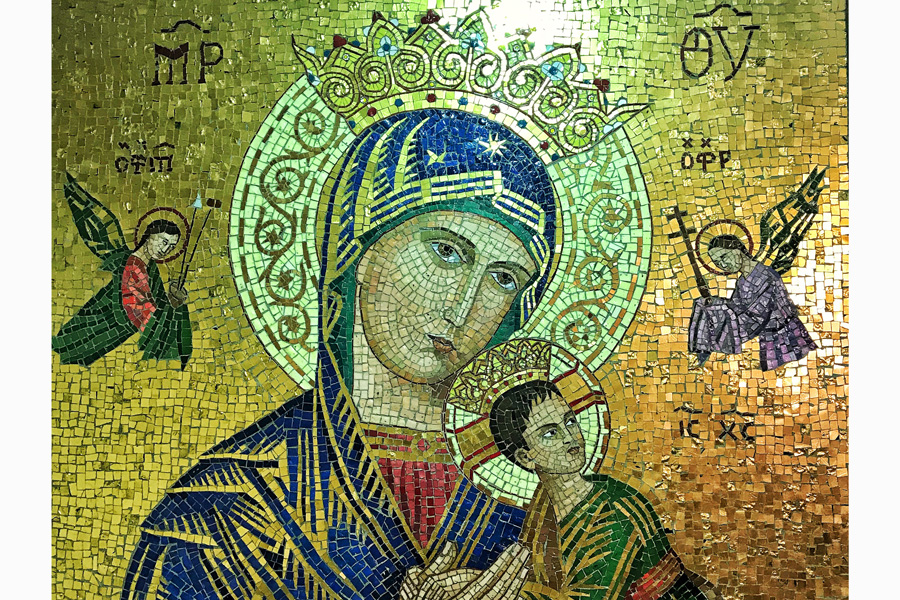
Mary, Help of Christians, Perpetual Help of Christians
05-31-2026Weekly ReflectionFr. Leonard F. VillaMary Help of Christians is a Catholic title of the Blessed Virgin Mary, with a feast day on May 24. St John Chrysostom was the first to describe this title, in AD 345. In more recent times, St. John Bosco and St. Vincent Pallotti promoted this devotion. It is associated with the defense of Christian Europe, North Africa and the Middle East from non-Christians especially militant Islam, for example, at the Battle of Lepanto when the attacking Turks were repelled by the Christian fleet.
READ MORE
Biblical Meaning of Blessings in the Bible
05-24-2026Weekly ReflectionFr. Leonard F. VillaCardinal Gerhard Müller recently reflected on the meaning of blessings: On God's blessing and the fake blessing of this world
...(T)he Church teaches that Christ died on the cross for the sins of all people and that the Holy Spirit withholds God's grace from no one who turns to the Gospel so that they may lead a new and holy life in the footsteps of Christ.
READ MORE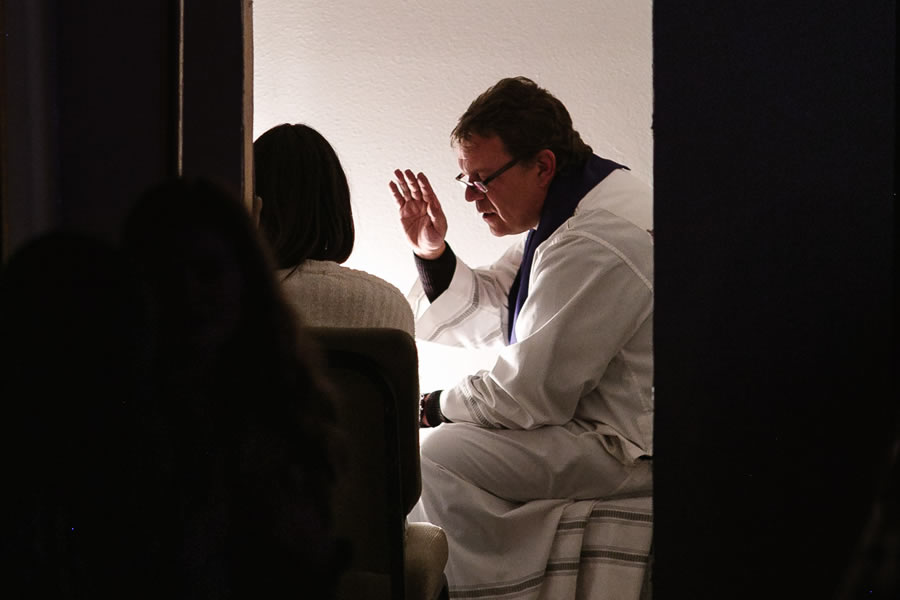
If Our Sins Are Forgiven in Confession, Why Do We Get a Penance?
05-17-2026Weekly ReflectionFr. Leonard F. VillaSatisfaction is the final act which crowns the Sacrament of Confession. The sacramental sign is the absolution of our sins by Jesus through His priest. The act which the forgiven and absolved penitent agrees to perform after receiving absolution is precisely called his or her penance. Making satisfaction is the third act of the penitent, after contrition for sins and the confession of sins. Absolution does not take away all the disorder sin has caused: harm to self and to neighbor. This must be healed in this life or in the life to come.
READ MORE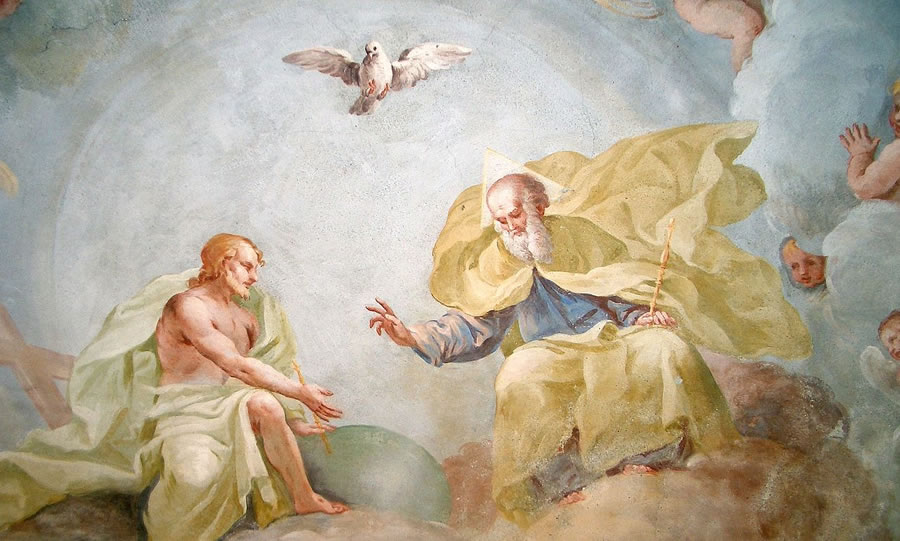
God,the Blessed Trinity, Desires Our Friendship
05-10-2026Weekly ReflectionFr. Leonard F. VillaIn Rublev’s icon painting he depicts the three heavenly visitors to Abraham, reported in Genesis chapter 18, sitting at a table with a cup placed before them on the table. Rublev depicts the three as One Lord. Each holds a rod in his left hand, symbolizing their equality. Each wears a blue cloak, the color of divinity. And each face is the same, depicting their oneness.
READ MORE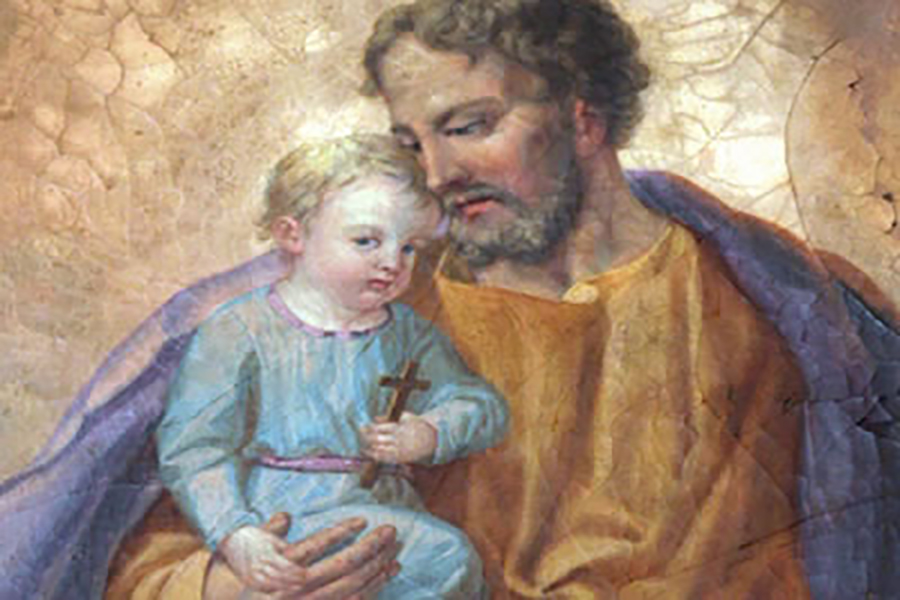
Addressing the Amnesia about the Evil of Communism - Go to St. Joseph
05-03-2026Weekly ReflectionFr. Leonard F. VillaThe Compendium of the Social Teachings of the Church contains the following about communism:
With the Encyclical Letter Divini Redemptoris, on atheistic communism and Christian social doctrine, Pope Pius XI offered a systematic criticism of communism, describing it as “intrinsically perverse,” and indicated that the principal means for correcting the evils perpetrated by it could be found in the renewal of Christian life, the practice of evangelical charity, the fulfilment of the duties of justice at both the interpersonal and social levels in relation to the common good, and the institutionalization of professional and interprofessional groups.
READ MORE